Animal Farm Portfolio
Barry Jensen
After Reading Questions
1. Why did the animals rebel against Mr. Jones?
The animals rebelled because Mr. Jones neglected them, often leaving them hungry and uncared for. Their poor treatment pushed them to take control of the farm.
2. What role does Squealer play in Napoleon's leadership?
Squealer serves as the propaganda machine for Napoleon. He manipulates language to justify Napoleon's actions and to control the animals' beliefs.
3. Why is Boxer's story so tragic?
Boxer works harder than anyone and blindly trusts the leadership, only to be betrayed. His death shows how those in power exploit the loyal.
Rhetoric Analysis
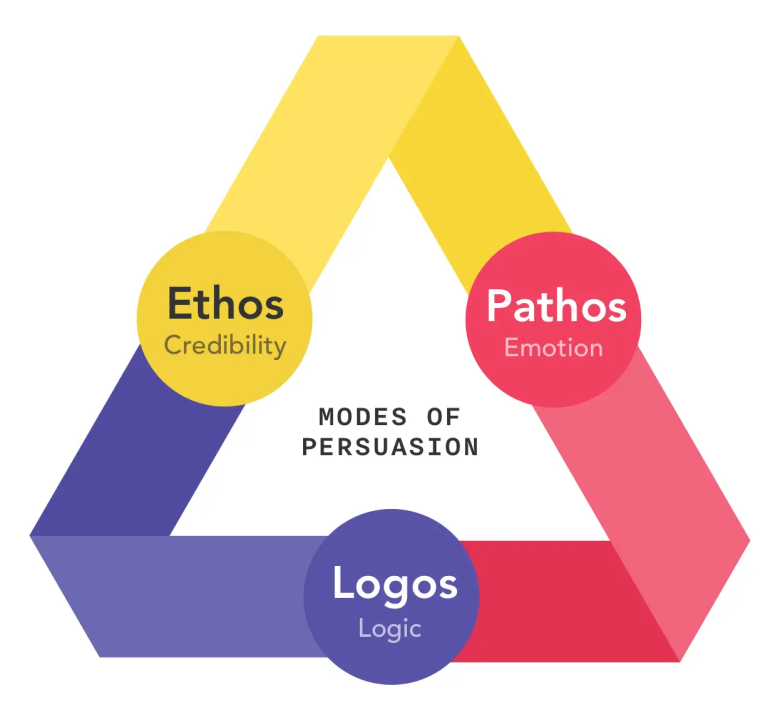
Ethos
"Squealer uses Ethos by reminding the animals of Napoleon's leadership history to make himself sound trustworthy."
Pathos
"Old Major's speech stirs emotion by describing the cruelty animals suffer and giving them hope for a better future."
Logos
"Snowball uses logic when explaining how the windmill will help reduce labor and improve the animals' lives."
Russian Revolution Comparison
Animal Farm Characters
- Napoleon: The pig who takes control of Animal Farm after driving Snowball away.
- Snowball: The pig who initially shares leadership with Napoleon before being expelled.
- Mr. Jones: The original human owner of Manor Farm.
Russian Counterparts
- Joseph Stalin: Soviet leader who established a totalitarian regime.
- Leon Trotsky: Revolutionary leader who was later exiled by Stalin.
- Czar Nicholas II: The last Emperor of Russia before the revolution.
These characters represent real historical figures and show how power can corrupt leaders after a revolution.
Character Analysis
Animal Farm features a diverse cast of characters, each representing different aspects of society and historical figures from the Russian Revolution. This chart analyzes the major characters, their traits, and their symbolic significance.
Napoleon Pig
TRAITS
- Cunning and manipulative
- Power-hungry and ruthless
- Selfish and corrupt
- Strategic and patient
DEVELOPMENT
Napoleon gradually transforms from a revolutionary leader to a dictator who adopts human behaviors and betrays the revolution's principles.
SYMBOLISM
Represents Joseph Stalin, who seized control of the Soviet Union after Lenin's death and established a brutal totalitarian regime.
Snowball Pig
TRAITS
- Intelligent and creative
- Eloquent speaker
- Idealistic and progressive
- Genuinely concerned for animals' welfare
DEVELOPMENT
Snowball initially shares leadership with Napoleon but is eventually driven from the farm and made a scapegoat for all problems.
SYMBOLISM
Represents Leon Trotsky, who was a key revolutionary leader but was later exiled by Stalin and erased from Soviet history.
Squealer Pig
TRAITS
- Persuasive and articulate
- Manipulative with language
- Loyal to Napoleon
- Skilled at distorting truth
DEVELOPMENT
Squealer becomes increasingly skilled at manipulating language and rewriting history to justify Napoleon's actions.
SYMBOLISM
Represents Soviet propaganda and state-controlled media (particularly Pravda newspaper) that manipulated information to support Stalin.
Old Major Pig
TRAITS
- Wise and respected
- Visionary and inspirational
- Idealistic
- Elderly and experienced
DEVELOPMENT
Old Major dies shortly after giving his revolutionary speech, but his ideas inspire the rebellion and are later corrupted by the pigs.
SYMBOLISM
Represents a combination of Karl Marx and Vladimir Lenin, whose revolutionary theories inspired the Russian Revolution.
Boxer Horse
TRAITS
- Incredibly strong and hardworking
- Loyal and dedicated
- Simple-minded and naive
- Lives by mottos: "I will work harder" and "Napoleon is always right"
DEVELOPMENT
Boxer works tirelessly for the farm's success until he collapses from exhaustion, after which Napoleon betrays him by selling him to a knacker.
SYMBOLISM
Represents the loyal Soviet working class who supported Stalin despite hardships, only to be betrayed and exploited.
Clover Horse
TRAITS
- Motherly and caring
- Hardworking and loyal
- Observant but hesitant to speak up
- Senses changes but cannot articulate concerns
DEVELOPMENT
Clover notices the changes in the farm and the corruption of Animalism's principles, but lacks the ability to challenge the pigs' authority.
SYMBOLISM
Represents the aware but powerless Soviet citizens who recognized the corruption but were unable to resist.
Benjamin Donkey
TRAITS
- Cynical and pessimistic
- Intelligent and literate
- Oldest animal on the farm
- Refuses to get involved
DEVELOPMENT
Benjamin maintains his cynicism throughout the story, only breaking his apathy when Boxer is taken away to the knacker.
SYMBOLISM
Represents the intellectual skeptics who saw through Soviet propaganda but remained silent until personal tragedy struck.
Mollie Horse
TRAITS
- Vain and self-centered
- Loves ribbons and sugar
- Lazy and materialistic
- Dislikes hard work
DEVELOPMENT
Mollie eventually abandons Animal Farm to live with humans who can provide her with the luxuries she desires.
SYMBOLISM
Represents the bourgeoisie and aristocrats who fled Russia after the revolution rather than give up their privileges.
Moses Raven
TRAITS
- Tame raven who rarely works
- Tells stories about Sugarcandy Mountain
- Disappears after the rebellion but returns later
- Tolerated by the pigs
DEVELOPMENT
Moses leaves after the rebellion but returns later and is allowed to stay, even receiving beer from the pigs.
SYMBOLISM
Represents the Russian Orthodox Church, initially suppressed by the Soviets but later tolerated as a way to pacify the people.
The Dogs Dogs
TRAITS
- Fierce and intimidating
- Loyal only to Napoleon
- Trained from puppyhood
- Violent and threatening
DEVELOPMENT
The puppies are taken from their mothers by Napoleon and trained to be his personal guards, later used to enforce his will through violence.
SYMBOLISM
Represents the NKVD (Soviet secret police) and military forces that Stalin used to eliminate opposition and enforce his policies.
The Sheep Sheep
TRAITS
- Easily manipulated
- Repeat slogans without understanding
- Disrupt meetings with bleating
- Completely loyal to authority
DEVELOPMENT
The sheep are taught to bleat "Four legs good, two legs bad," which later changes to "Four legs good, two legs better" when the pigs start walking upright.
SYMBOLISM
Represents the easily manipulated masses who mindlessly repeat propaganda slogans and support the regime without question.
Muriel Goat
TRAITS
- Literate and observant
- Reads the commandments for other animals
- Notices changes but doesn't challenge them
- Intelligent but passive
DEVELOPMENT
Muriel helps other animals read the altered commandments but doesn't actively oppose the changes.
SYMBOLISM
Represents the educated middle class who noticed inconsistencies in Soviet propaganda but lacked the will to resist.
Mr. Jones Human
TRAITS
- Neglectful and irresponsible
- Alcoholic
- Cruel to animals
- Incompetent manager
DEVELOPMENT
Jones loses his farm after the animal rebellion and makes failed attempts to recapture it. He eventually dies in another part of England.
SYMBOLISM
Represents Czar Nicholas II, the last emperor of Russia whose incompetence and neglect contributed to the Russian Revolution.
Mr. Frederick Human
TRAITS
- Shrewd and calculating
- Ruthless businessman
- Violent and aggressive
- Deceptive in negotiations
DEVELOPMENT
Frederick cheats Napoleon with forged banknotes and later attacks Animal Farm, destroying the windmill with explosives.
SYMBOLISM
Represents Adolf Hitler and Nazi Germany, which initially signed a non-aggression pact with Stalin before betraying and attacking the Soviet Union.
Mr. Pilkington Human
TRAITS
- Easy-going and leisurely
- Wealthier than Frederick
- More interested in sports than farming
- Diplomatic but self-interested
DEVELOPMENT
Pilkington initially fears Animal Farm but later develops a business relationship with Napoleon, attending the final dinner at the farm.
SYMBOLISM
Represents Great Britain and the Western Allies who were initially hostile to the Soviet Union but later formed an alliance during World War II.
Mr. Whymper Human
TRAITS
- Opportunistic
- Shrewd businessman
- Willing to work with animals for profit
- Acts as a go-between
DEVELOPMENT
Whymper becomes the first human to engage in business with Animal Farm, serving as their agent in transactions with the outside world.
SYMBOLISM
Represents Western businessmen who were willing to trade with the Soviet Union despite ideological differences, motivated by profit.
Character Significance
Orwell's characters in Animal Farm serve dual purposes: they function as realistic farm animals with distinct personalities while simultaneously representing historical figures and social classes from the Russian Revolution and Soviet era. Through these characters, Orwell illustrates how revolutionary ideals can be corrupted, how power can change individuals, and how propaganda and fear can be used to control populations. The development of these characters throughout the novel demonstrates the gradual betrayal of revolutionary principles and the inevitable corruption that comes with unchecked power.
Timeline of Events
Old Major's Speech
Old Major, an elderly prize-winning boar, gathers the animals and shares his vision of a future rebellion against human tyranny. He teaches them the song "Beasts of England."
The Rebellion
After Mr. Jones forgets to feed the animals, they break into the store-shed. When Jones and his men try to whip them into submission, the animals revolt and drive the humans off the farm. Manor Farm is renamed "Animal Farm."
Seven Commandments Established
The pigs, being the most intelligent animals, establish the Seven Commandments of Animalism. These are painted on the barn wall as the principles all animals must live by.
Battle of the Cowshed
Jones and his men attempt to recapture the farm. Snowball leads a successful defense, and the animals celebrate their victory. Snowball and Boxer are awarded medals for their bravery.
Snowball's Expulsion
Snowball proposes building a windmill to generate electricity. During his presentation, Napoleon has his trained dogs chase Snowball off the farm. Napoleon then claims the windmill was his idea all along.
Windmill Destruction
A violent storm destroys the half-built windmill. Napoleon blames this on Snowball's sabotage and sentences the exiled pig to death. The animals begin rebuilding the windmill.
The Confessions
Napoleon's dogs force several animals to confess to being in league with Snowball. After their confessions, the dogs execute them. The Sixth Commandment is altered to justify these killings.
Battle of the Windmill
Frederick and his men attack the farm and blow up the rebuilt windmill with explosives. The animals fight back and eventually drive the men away, but at great cost. Boxer is injured in the battle.
Boxer's Death
After working tirelessly to rebuild the windmill, Boxer collapses from exhaustion. Napoleon sends him to the "hospital," but Benjamin reads the van's side and realizes Boxer is being sent to the knacker. The pigs use the money from selling Boxer to buy whiskey.
Pigs Walking on Two Legs
The pigs begin walking on their hind legs and carrying whips. Squealer teaches the sheep to bleat "Four legs good, two legs better!" The Seven Commandments are replaced with a single maxim: "All animals are equal, but some animals are more equal than others."
Final Scene
The pigs invite human farmers for dinner at the farmhouse. As the other animals watch through the window, they can no longer tell the difference between the pigs and the humans. Animal Farm is renamed "Manor Farm" once again.
Timeline Significance
This timeline shows the gradual corruption of the revolutionary ideals on Animal Farm. What begins as a movement for equality and freedom slowly transforms into a regime as oppressive as the one it replaced. The events parallel the course of the Russian Revolution, showing how Stalin's rise to power betrayed the original revolutionary principles.
The Seven Commandments
After the rebellion, the animals established seven commandments of Animalism that were painted on the barn wall. Over time, the pigs secretly altered these commandments to justify their own behavior and maintain control.
| Original Commandment | Altered Version |
|---|---|
| 1. Whatever goes upon two legs is an enemy. |
1. Whatever goes upon two legs is an enemy.
(Abandoned when the pigs began trading with humans) |
| 2. Whatever goes upon four legs, or has wings, is a friend. |
2. Whatever goes upon four legs, or has wings, is a friend.
(Abandoned when the pigs began executing "traitor" animals) |
| 3. No animal shall wear clothes. |
3. No animal shall wear clothes.
(Abandoned when the pigs began wearing clothes) |
| 4. No animal shall sleep in a bed. | 4. No animal shall sleep in a bed with sheets. |
| 5. No animal shall drink alcohol. | 5. No animal shall drink alcohol to excess. |
| 6. No animal shall kill any other animal. | 6. No animal shall kill any other animal without cause. |
| 7. All animals are equal. | 7. All animals are equal, but some animals are more equal than others. |
Significance
The gradual alteration of the Seven Commandments represents how revolutionary ideals can be corrupted over time. The pigs use language manipulation to justify their increasing privileges and control over the other animals. By the end of the novel, the commandments have been reduced to the single, contradictory statement: "All animals are equal, but some animals are more equal than others." This demonstrates Orwell's warning about how totalitarian regimes use propaganda and language manipulation to maintain power.
Obituary for Boxer
Obituary: Boxer the Horse
Boxer, a strong and loyal cart-horse of Animal Farm, passed away tragically after being sent away by Napoleon under the pretense of medical care.
He was known for his mottos "I will work harder" and "Napoleon is always right." Boxer believed in the revolution and gave everything for the farm.
He is survived by Clover and the other farm animals.
A private memorial was held by friends who remember him as a symbol of dedication and sacrifice.
Anticipation Guide
| Statement | Agree/Disagree | Explanation |
|---|---|---|
| All people are created equal. | Agree | Everyone deserves equal treatment and opportunity. |
| People in power do what's best for everyone. | Disagree | Some use power for selfish reasons. |
| Rules should apply equally. | Agree | Fairness means no one is above the rules. |
| Hard work is always rewarded. | Disagree | Sometimes, effort isn't noticed or respected. |
| Giving up freedom for safety is okay. | Disagree | Too much control can lead to tyranny. |
George Orwell Biography
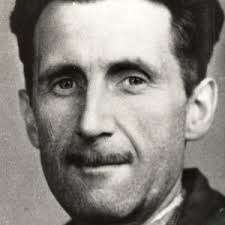
George Orwell, born Eric Arthur Blair in 1903, was a British author and journalist. He wrote Animal Farm to criticize the Russian Revolution and the abuse of power. Orwell believed in fairness and warned against dictatorships. He died in 1950, but his message still matters today.
Old Major's Speech Annotations
"All men are enemies. All animals are comrades."
This shows how Old Major unites animals against humans.
"Man is the only creature that consumes without producing."
He calls humans selfish and useless to gain support for rebellion.
"Remove Man… and the root cause of hunger… is abolished."
He blames all problems on humans, oversimplifying the solution.
Speed-Dating Character Matches
-
Boxer and Clover
Loyal, hardworking, and always support each other.
-
Napoleon and Squealer
Both work together to keep power through fear and lies.
-
Old Major and Snowball
They both care about fairness and hope for a better society.
Beasts of England Annotations
"Tyrant Man shall be o'erthrown"
Gives hope that rebellion will bring freedom.
"Riches more than mind can picture"
Promises a paradise after humans are gone.
"Fields of clover, bright with joy"
Symbolizes a dream of happiness and peace.