
Experiment with key financial concepts without blowing anything up.

The Cazador is based around the chassis of Jaguar's XK8 which, itself, shared its platform with the Aston Martin DB7. The DB7, in turn, was based on the stillborn XJ41/42 project built on a modified XJ-S chassis conceived in the mid-1980s.
The Cazador uses a spaceframe design largely comprised of carbon fibre for a low-weight yet highly protective construction.
For the engine, Cadwell will use the ever-popular small block Ford V8. Cadwell will significantly modify the engine to balance performance against tight EU/UK emissions targets to arrive at the best compromise available on the market today.
Alan Breck started C3 back in the early 1990s at the historic Cadwell Park racing circuit. Initially, he sold his custom-designed vehicles in kit form in order to avoid purchase tax. His creations proved to be vastly more popular than even he had expected, winning several prestigious awards at home and even abroad. But now he wants to take the next step forward. The company has secured a UK Small Volume Car Manufacturer’s licence and it has plans to open an exciting new chapter in its history - producing its first design to be released in factory-built form only – the Cadwell Cazador® (main title illustration above).
The ones who run the company

Managing Director
Alan is the sole owner of C3 and the creative driving force behind the company. He is really keen to see the new "factory- only" product line be a great success.
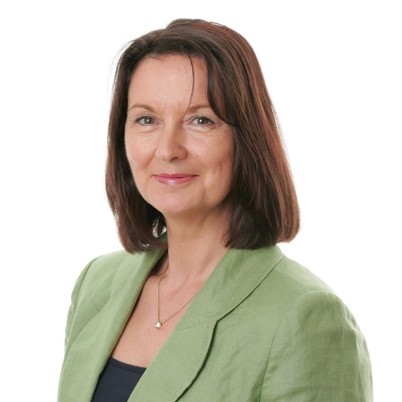
Finance Director
Alison's primary role is to ensure that the company's finances are in good working order and to provide oversight on all projects.

IT Director
All things IT fall into Jim's remit. He is a generalising specialist and is experienced and qualified in a wide range of IT-related activities.
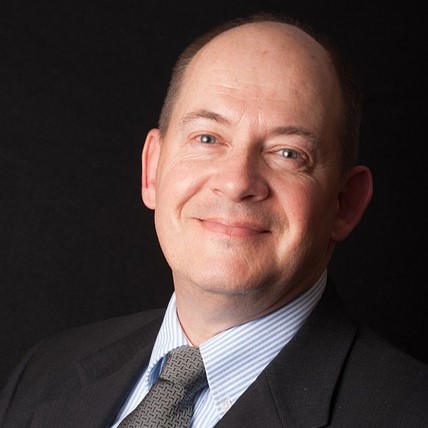
Operations Director
Bill came to C3 from Lotus and brought with him a good deal of the spirit of that great British company. He will be responsible for the new operations.
It's now the end of the company's financial year. Figures show that the company made £19.2M1 in revenue, raw materials came to £1.8M2 and staff costs hit £920K3 for Cadwell and £200K4 for Louth.
The mortgage for the current factory came in at £12K 5 and rates at £18k 6. For the Louth premises, the rent was set by the local council at £25K 7 and rates at £11K 8.
C3 have made significant investment into the Louth plant, in the form of manufacturing and technical upgrades to the building (in addition to the cosmetic work already mentioned). This came to £175K9 in the reporting period, of which £105K10 were tangible assets.
The company is taxed at 20%. Alan and Alison are the only Directors with shares and the dividend rate was set to 40% 11 back in January last year at a Board meeting.
Task
Read the scenario and transfer all values to the table as integers, rounded down.
Press the "Check Values" button to validate the answers. Correct inputs will show as symbols in the "Note" column. Wrong answers (or blank responses) will result in the error symbol , together with an index number indicating the source position of the value in the scenerio. Blank answers will have the correct value entered in grey.
Press the "New Values" button to clear the table and randomise the values in the scenario, ready for another attempt.
| £'000 | Note | |
| Income (turnover, earnings) | ||
| Cost of sales | ||
| Inventory | ||
| Staff Costs (Cadwell) | ||
| Staff Costs (Louth) | ||
| Total Costs | ||
| Gross Profit (GP) | ||
| Operating Costs | ||
| Rent (Louth) | ||
| Rates (Louth) | ||
| Rates (Cadwell) | ||
| Non-tangible Refurbishment (Louth) | ||
| Total Administrative Costs (TAC) | ||
| Operating Profit (EBIT) | ||
| Finance Costs and Other Charges | ||
| Profit Before Tax (PBT) | ||
| Tax on Profit for the Financial Year | ||
| Profit After Tax (PAT) | ||
| Dividends | ||
| Retained Profit |
A snapshot of the financial health of the company
Last figures for the company show £1.7M15 in the bank. In terms of assets, C3 has inventory across both locations amounting to £15.0M16. On the other hand, the company still owes £5.1M17 on the Cadwell mortgage (the property is valued at £35.0M18) and has £1.2M19 in outstanding, 90-day debts to suppliers.
Task
Read both the P&L and the current scenarios to create a balance sheet for C3. Remember to express all values as integers, rounded down.
Use the buttons as in the Balance Sheet exercise.
| £'000 | Note | |
| Fixed Assets | --- | |
| Tangible | ||
| Total Fixed Assets | ||
| Current Assets | --- | |
| Cash in Bank | ||
| Inventory | ||
| Total Current Assets | Current Liabilities | --- | Payables due within 12 months | Total Current Liabilities | Non-Current Liabilities | --- | Long-term Loans | Total Non-Current Liabilites | Total Net Assets | --- | Capital and Reserves | --- | Share Capital (SC) | Retained Profit (RP) | Income Statement Reserve (ISR) | Equity |
Ensuring the money is there when you need it
Alan and Alison have therefore been discussing the possibility of offering Bill (Grant) the chance to become a shareholder via a share issue, although Alison would not want to see him acquire a majority share.
Revenue from the Cadwell factory is looking fairly constant at £1050k20 per month until the end of September. The Louth factory is expected to start bringing in around £875K21 per month, starting in June. Currently, C3 has £2300K 22 in the bank that can be brought into the cashflow.
Projected expenditure during the period has been predicted at £830K23, £3080K24, £2530K25, £1580K26, £1580K27 and £1580K28. These are already set up in the table.
| Apr | May | Jun | Jul | Aug | Sep | |
| Brought forward (BF) | ||||||
| Monthly income (MI) | ||||||
| Monthly expenditure (ME) | 830 | 3080 | 2530 | 1580 | 1580 | 1580 |
| Net monthly cashflow (NMC) | ||||||
| Carried forward (CF) |
Task
Alison has decided to look at the next 6 month's cashflow, starting in April. Speaking to the Sales and Marketing Manager, she has been able to estimate the likely expenditure during that time and has enter the values into her cashflow.
Using the figures above and the suggested expenditure values, estimate the point at which an extra cash injection might be useful and by how much. This might be resolved by issuing shares to Bill to that amount.
Fixed and Variable Costs
Marketing has been positioning the Cazador within the customer demographic for over a year now and they have received an encouraging level of advance orders. But, bearing in mind the expenses of setting up Louth, the question of how many vehicles C3 would have to sell in the first year to hit break even was now critical.
Alison predicts that in the first year of operation, the Louth premises will be subject to the usual fixed costs, which have been increased now that the company is out of the honeymoon period set by the council:
Bill and his team have estimated the components and labour costs for the Cazador at £42.2K35. Clearly, these costs and profits will increase and decrease with the volume produced. They are variable costs.
The factory-assembled vehicle is a new (and potentially risky) approach for C3, so increasing the price point to make more profit might not be the best approach until the company's reputation in the sector becomes more established.
Task
Calculate how many vehicles the company will have to sell in the first year in order just to break even. Press the "Check Solution" button to see the suggested answer and the "New Values" button to try again with randomised costs.
Planning the spend throughout the year
Originally, it was estimated that the refurbishment of the old foundry would cost around £175K, but this quickly ballooned to £2.1M 39 as the full regulatory impact of marketing road-ready vehicles became apparent. To clear the financial decks before full operations are started, Alison has decreed this cost must be cleared by May. In addition, C3 will have to purchase a new 2-decker car transporter, costing £277K 48. This must be bought and paid for in June.
Currently, monthly expenditure at Cadwell stands at:
Task
Complete the expenditure budget to show the anticipated spend for the months April to September.
| Apr | May | Jun | Jul | Aug | Sep | |
| Cost Type | ||||||
| Staff | ||||||
| Mortgage | ||||||
| Rent | ||||||
| Rates | ||||||
| Utitlities | ||||||
| Investment | ||||||
| Monthly Totals |
When will we see our money back?
Currently, it's all done by hand at Cadwell, but this will not suffice as C3 ramps up to full production at Louth. A press is needed but the one proposed by Bill and his acolytes is incredibly expensive. It will save money in the long-term but does it make financial sense?
Alison has made her position clear - any major investment like this must pay for itself within 5 years. The favoured press will cost the company £6.4M49 and will require annual operator training events, run by the manufacturer each year of operation. These typically cost £35K50 each.
Presses also consume a lot of power and, together with the expected rate of consumable spares replacement, operating costs are expected to come in at around £2.85M51 per annum. In addition, the machine needs a major overhaul to ensure continued safety after every 3 years of operation, which will has a guaranteed cost of £243K52 for the first one.
But it's not all doom and gloom. Alison is convinced that the press will bring savings in efficiency, material waste, staffing and factory floor space. These positives are not to be disregarded. After an intensive data gathering session, she an Bill were able to put these at around £5.1M53 per annum.
Costs rarely stand still. Apart from the initial purchase of the press, all costs and benefits will be assumed to rise by 5% year-on-year.
Task
Complete the CBA table to determine when the investment in a robotic press will pay back and to what amount. Remember to round everything to 2 decimal places.
| Year 0 | Year 1 | Year 2 | Year 3 | Year 4 | Year 5 | |
| Investment Cost | ||||||
| Staff Training Cost | ||||||
| Operating Cost | ||||||
| Benefits | ||||||
| Annual Cashflow | ||||||
| Cumulative Cashflow |
When will we see our money back in real terms?
Taking into account the current rate of inflation and the Bank of England's predictions for the next decade, Alison has set the Discount Rate at 5%54. For the duration of the project, this would give discount factors of 1.0055, 0.9556, 0.9157, 0.8658, 0.8259, 0.7860.
Alison has made her position clear - any major investment like this must pay for itself within 5 years. The favoured press will cost the company £6.4M49 and will require annual operator training events, run by the manufacturer each year of operation. These typically cost £35K50 each and the price has been fixed for the first one.
Presses also consume a lot of power and, together with the expected rate of consumable spares replacement, operating costs are expected to come in at around £2.85M51 per annum. In addition, the machine needs a major overhaul to ensure continued safety after every 3 years of operation, which will has a guaranteed cost of £243K52 for the first one.
But it's not all doom and gloom. Alison is convinced that the press will bring savings in efficiency, material waste, staffing and factory floor space. These positives are not to be disregarded. After an intensive data gathering session, she an Bill were able to put these at around £5.1M53 per annum.
Costs rarely stand still. Apart from the initial purchase of the press, all costs and benefits will be assumed to rise by 5% year-on-year.
Task
Complete the DCF table to determine when the investment in a robotic press will pay back and to what amount. Remember to round everything to 2 decimal places.
| Year 0 | Year 1 | Year 2 | Year 3 | Year 4 | Year 5 | |
| Investment Cost | ||||||
| Staff Training Cost | ||||||
| Operating Cost | ||||||
| Benefits | ||||||
| Annual Cashflow | ||||||
| Discount Factors @ 5% | ||||||
| Adjusted Cashflow | ||||||
| Cumulative Cashflow |
Is it worthwhile?
She has a NPV of £4152.143K 62 at Year 5 at a discount rate of 5%61.
Now, she needs to repeat the process to get a negative NPV and has chosen a discount rate of 28%63, which will result in a negative NPV of £-338.96K 64 at Year 5.
Task
With the above details, calculate a rough Internal Rate of Return for the project.
If you spot an error or have a suggestion for improvements, I'd love to hear from you! Use the form below:

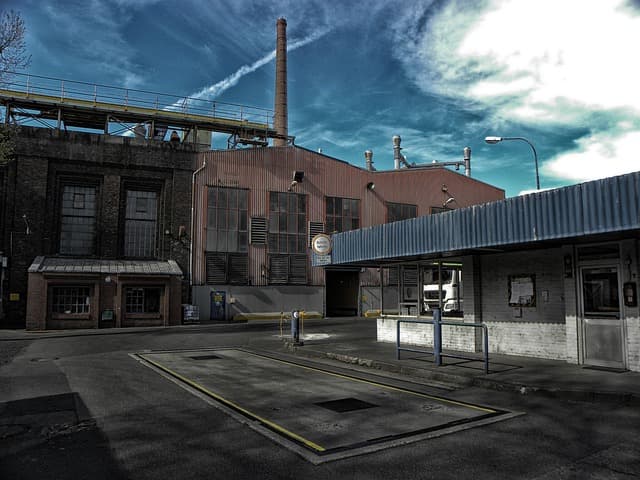 There's no doubt that the new place will need a bit of TLC but it's a
real gift, just when he needs it.
There's no doubt that the new place will need a bit of TLC but it's a
real gift, just when he needs it.